Add Height and Privacy to Your Garden with the Best Tall-Potted Plant Options
Add Height and Privacy to Your Garden with the Best Tall-Potted Plant Options - it's a mouthful, sure, but it's also the fastest, most flexible way to transform an overlooked patio, balcony, or small London courtyard into a calm, green refuge. Picture this: morning coffee, a soft rustle of bamboo, jasmine in the air, and no awkward eye contact with the neighbour on the second-floor landing. Clean, clear, calm. That's the goal.
Whether you're renting and can't change the fence, working with a tiny terrace, or simply want instant screening without the drama of planning permissions, tall container plants deliver height, privacy, and style in one elegant move. And to be fair, when you get them right, they look expensive--in a good way. In our experience, it's one of the most cost-effective upgrades you can make to an outdoor space, full stop.
Table of Contents
- Why This Topic Matters
- Key Benefits
- Step-by-Step Guidance
- Expert Tips
- Common Mistakes to Avoid
- Case Study or Real-World Example
- Tools, Resources & Recommendations
- Law, Compliance or Industry Standards (UK-focused)
- Checklist
- Conclusion with CTA
- FAQ
Why This Topic Matters
Urban living is wonderful, until it isn't. Many UK gardens--especially in cities--are compact, overlooked, or bound by leasehold and conservation constraints. Privacy screens and fences typically fall under permitted development rules, but they have limits; and let's face it, a fence won't thrive, flower, or sway in the breeze. That's why so many homeowners and renters turn to tall containers: they provide instant height without permanent construction, and they transform the mood of a space in a single weekend.
Add Height and Privacy to Your Garden with the Best Tall-Potted Plant Options and you'll also solve practical problems--wind, glare, noise, and that general "fishbowl" feeling. Tall potted plants soften hard edges, shade windows, and create a leafy buffer between you and the world. And because they're mobile, you can tweak layouts seasonally, lift them for winter, or take them with you when you move. Flexible, forgiving, and frankly, life-enhancing.
Here's a tiny micro-moment. One drizzly Tuesday in Peckham, we wheeled in a set of tall planters, set a clumping bamboo line, and added a star jasmine on trellis. The client went quiet. "I can't see the road anymore," she whispered, smiling. You could still hear the world, but quieter, as if someone turned the volume down a notch.
Key Benefits
Choosing tall container plants to increase garden height and privacy comes with a bundle of advantages--some obvious, some pleasantly surprising.
- Instant screening and verticality: Get height fast without waiting years for hedges. A 2m plant in a 60-100L container can transform sightlines immediately.
- Non-permanent and flexible: Perfect for renters and listed buildings. Move them, rotate them, or change your scheme as life evolves.
- Design impact: Tall potted plants add structure, rhythm, and shadow play. They make small spaces feel intentional, not improvised.
- Wind and glare reduction: Upright grasses and bamboos diffuse wind; glossy evergreen leaves soften glare from nearby glass and paving.
- Biodiversity boost: Flowers, fruits, and foliage attract pollinators and birds--right where you sit with your cuppa.
- Acoustic softening: No, plants don't soundproof, but dense foliage and rustling textures create a calmer soundscape.
- Seasonality on your terms: Swap climbers, add bulbs to pots, and refresh displays without redoing the entire garden.
- Compliance-friendly: When chosen carefully, tall containers can provide privacy without breaching fence height restrictions (do check local rules).
- Cost-effective: Compared with pleached trees in-ground or complex screening installations, containers can be dramatically cheaper--and faster.
When you Add Height and Privacy to Your Garden with the Best Tall-Potted Plant Options, you're not just buying plants. You're buying breathing room.
Step-by-Step Guidance
This step-by-step plan will carry you from a blank patio to a lush, private retreat--no fuss, no guesswork.
1) Map your privacy problem
- Identify sightlines: Where are you being overlooked--from above, across, or through a gap?
- Measure the eye level: Typical standing eye level is about 1.6-1.7m. Add your planter height to plant height to target 2.0-2.4m screening.
- Assess sun and wind: Full sun vs partial shade? Exposed balcony vs sheltered courtyard? This shapes your plant palette.
Micro-moment: stand where you usually sit. Look up and around. That's the angle that matters, not just the property line.
2) Choose the right tall plants (privacy-focused)
Evergreen, upright, and container-happy species are your best friends. Mix a few for layered coverage and year-round interest.
- Clumping bamboos (Fargesia robusta 'Campbell', F. murielae): 2-4m, elegant, non-invasive, rustling texture. Avoid running types unless expertly contained.
- Upright grasses (Calamagrostis x acutiflora 'Karl Foerster', Miscanthus 'Gracillimus'): 1.5-2m, slim footprint, winter structure.
- Evergreen shrubs (Photinia x fraseri 'Red Robin', Pittosporum tenuifolium cultivars, Laurus nobilis): dense foliage, easily clipped to shape.
- Tall climbers on trellis (Trachelospermum jasminoides, Clematis armandii, evergreen honeysuckle): powerful screening in narrow spaces, fragrance bonus.
- Statement trees for pots (Olea europaea, Trachycarpus fortunei, Taxus baccata, dwarf conifers): architectural height with small footprints--use larger containers.
Ever tried clearing a room and found yourself keeping everything? Garden choices can feel the same. Start with two or three stalwarts; add accents later.
3) Select containers that set you up for success
- Size matters: Go bigger than you think. For tall screening, 60-100L is a practical minimum; 120-250L for trees.
- Dimensions: Aim for at least 35-45cm internal depth and width for stability; long troughs (100-120cm x 40-50cm x 40-60cm high) create seamless screens.
- Materials: Lightweight GRP/fibreglass for balconies; fibreclay and corten for patios; treated timber planters for warmth. All must have drainage holes.
- Mobility: Add hidden castors, pot trolleys, or siting dollies. You'll thank yourself on repotting day.
- Frost and UV-resistance: Choose outdoor-rated products to avoid cracking or fading.
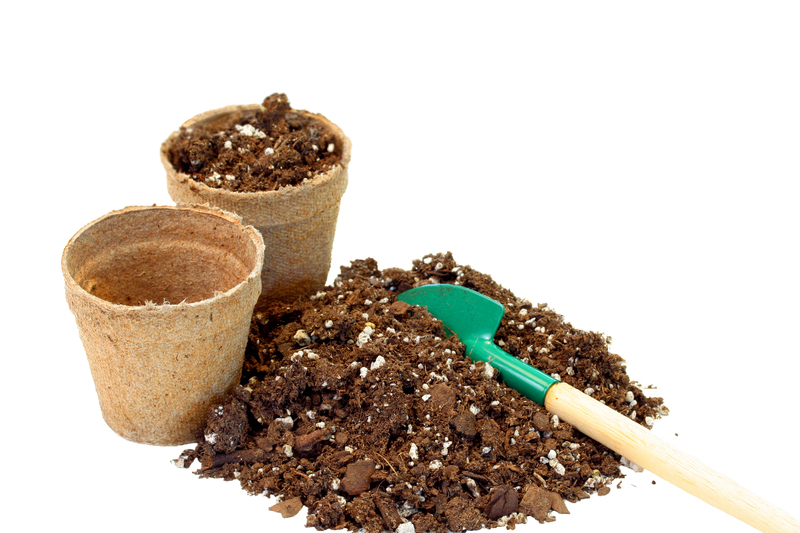
4) Use a resilient, peat-free potting mix
Container plants rely 100% on the medium you provide. For tall potted screening plants, a sturdy, well-drained, moisture-retentive mix is essential.
- 50% high-quality peat-free multipurpose compost
- 20% loam-based compost (akin to John Innes No.3)
- 20% sharp sand, perlite or pumice for drainage
- 10% composted bark or coir chips for structure
Add a slow-release fertiliser (6-9 months) and a handful of biochar or mycorrhizal fungi at planting. Skip the gravel-in-the-bottom myth; instead, place a mesh over drainage holes to stop clogging. Water deeply after planting until you see excess drain away.
5) Irrigate smartly
- Drip lines: Two 2L/h emitters per large planter, run for 20-40 minutes depending on weather and soil. Automate with a battery timer.
- Water butt + soaker hose: A sustainable option during summer dry spells, and kinder on your bills.
- Mulch: 3-5cm of bark, compost, or gravel reduces evaporation and looks tidy.
Hot tip: stick a finger 5cm into the mix. If it's dry, water. If it's cool and damp, hold off. Simple, human, effective.
6) Stabilise and anchor
Tall planters can act like sails. On exposed balconies, use planter brackets, discreet ties to railings, or a hidden steel frame inside troughs. For slender trees, a twin-stake or rubber tree ties prevent wind rock. Safety first, style second--both matter.
7) Prune and shape for privacy
- Bamboos: Thin out older canes in late spring; remove a few lower leaves to reveal clean, vertical lines while maintaining screen above eye level.
- Grasses: Cut back in late winter before new growth; enjoy the frosted plumes until then.
- Photinia and Pittosporum: Light clip 2-3 times per season to keep them dense.
- Jasmine and evergreen climbers: Tie in new growth and selectively prune after main flowering.
8) Feed and refresh
Top-dress annually in spring: scrape away 3-5cm of old compost, add fresh peat-free mix and slow-release feed. Every 2-3 years, lift, root-prune lightly, and repot. A little seasonal refresh keeps screens lush and lively--without starting over.
9) Weatherproof for winter
- Raise pots on feet to improve drainage and prevent freeze damage.
- Wrap with hessian or fleece in severe cold, especially for olives and citrus in exposed spots.
- Cluster planters to create a warmer microclimate. It really helps on those biting January mornings.
10) Layer for beauty and biodiversity
Don't stop at height. Underplant with bulbs (tulips, alliums), trailing plants (ivy, creeping Jenny), or aromatics (thyme, oregano). The result: privacy plus a rich, living tapestry.
Expert Tips
- Go odd: Group in 3s or 5s. Humans read odd numbers as more natural. It's a design quirk that works every time.
- Think "eye-level first": Focus density between 1.6-2.4m. Keep lower foliage a touch lighter for a spacious feel.
- Mix textures: Pair glossy evergreen leaves with fine grasses and vertical canes. Contrast is your secret weapon.
- Choose clump-forming bamboo: Fargesia are kinder neighbours than running Phyllostachys. Your future self will be grateful.
- Create a zig-zag line: Stagger troughs to close gaps without blocking your own pathways.
- Use scent strategically: Star jasmine by seating, not the bin. At dusk in June, trust us, you'll notice.
- Respect weight: On balconies, lightweight GRP planters with pumice in the mix reduce load. Safety beats bravado.
- Automate watering: A ?30 timer can save ?300 of plants during a heatwave. Worth it.
- Trial before you buy big: Borrow a tall chair or cardboard cut-out to test new heights and sightlines. You'll see why.
One more human moment: the first evening after planting, sit outside for ten minutes longer than usual. Listen. It's calmer already.
Common Mistakes to Avoid
- Undersized containers: Small pots dry out fast, fall over, and stunt growth. Go large or go home.
- No drainage: Waterlogged roots = plant decline. Ensure generous holes and pot feet.
- Wrong plant for the light: Shade-loving camellias will sulk in full sun; sun-lovers won't thrive in deep shade.
- Overwatering bamboos: Damp, not soggy. Use your finger as a moisture meter.
- Running bamboo without containment: In planters it's safer, but some runners still misbehave. Choose clumpers.
- Ignoring balcony loads: Weight adds up quickly. Get guidance if unsure.
- No wind anchoring: Exposed sites need brackets or stealth frames.
- One big screen, no layers: Add mid-height and trailing plants for depth and softness.
- Harsh pruning at the wrong time: Learn the cycle. For climbers, prune after flowering; for grasses, late winter.
- Forgetting neighbours: Keep growth on your side; be considerate with leaf drop over boundaries. Life's easier when everyone's happy.
Case Study or Real-World Example
Project: Fifth-floor roof terrace, Hackney, East London. Size: 5m x 2.2m. Overlooked on three sides. The client wanted "private, green, and low hassle," with a light, modern feel.
Constraints: Balcony load limits, strong crosswinds, no drilling into exterior cladding, rental property with deposit at stake. It was raining hard outside that day; you could hear the patter on the aluminium balustrade.
Solution:
- Installed three GRP trough planters (120 x 40 x 60cm) on concealed castors to spread load and allow movement for maintenance.
- Planted Fargesia robusta 'Campbell' (clumping bamboo) for main height; underplanted with evergreen trailing ivy and spring bulbs.
- Added a modular freestanding trellis panel inside the planters with Trachelospermum jasminoides (star jasmine) for scent and summer density.
- Fitted battery-timed drip irrigation fed from a slimline water butt (no mains hose allowed during summer restrictions).
Outcome: 85-90% visual privacy at seated height in week one; wind softening immediately noticeable. Noise felt subjectively reduced--less harsh. Total installed cost (2024 prices): approximately ?1,600-?2,100, depending on plant size. The client's feedback? "I forgot we had neighbours for a minute." Yeah, we've all been there.
Tools, Resources & Recommendations
Here's a practical list to help you Add Height and Privacy to Your Garden with the Best Tall-Potted Plant Options and keep them thriving.
Recommended tall potted plants for privacy (UK-friendly)
- Fargesia robusta 'Campbell' (clumping bamboo): 2-4m, upright, tight footprint, hardy; minimal leaf drop compared to others.
- Fargesia murielae (umbrella bamboo): elegant, arching, great for troughs; prefers part shade.
- Calamagrostis x acutiflora 'Karl Foerster': 1.5-2m, ultra-vertical grass, looks smart even in winter.
- Miscanthus sinensis 'Gracillimus': taller, airy plumes; needs full sun for best flowering.
- Photinia x fraseri 'Red Robin': evergreen, red new growth, clips well; choose larger planters.
- Pittosporum tenuifolium 'Silver Queen' or 'Golf Ball': elegant leaves, good in coastal winds, easily shaped.
- Laurus nobilis (bay laurel): evergreen, culinary, train as columns or cones; loves a good feed.
- Olea europaea (olive tree): architectural, drought-tolerant once established; protect roots in hard frosts.
- Trachycarpus fortunei (windmill palm): instant height with a small footprint; hardy in much of the UK.
- Trachelospermum jasminoides (star jasmine): evergreen climber for freestanding trellis; scented summer bloom.
- Clematis armandii: fast, evergreen, spring flowers; sturdy support needed.
- Taxus baccata (yew) or Juniperus 'Skyrocket': formal, narrow evergreens for classic screens.
Note: Avoid invasive or listed species; always check the GB Non-Native Species Secretariat (NNSS) guidance before buying something unusual.
Size and soil guidance (quick numbers)
- Bamboo in troughs: Minimum 40-50cm depth; 60-100L volume per clump for long-term vigour.
- Evergreen shrubs: 45-60cm wide containers, 50cm deep; refresh top 5cm compost annually.
- Trees in pots: 80-120L minimum; 150-250L for better stability and moisture buffering.
Useful tools & kit
- Battery tap timer + 13mm/4mm drip irrigation parts
- Moisture meter (optional) or just your finger--seriously
- Pot trolleys/castors rated for outdoor use
- Horticultural fleece, hessian wrap for winter
- Long-handled loppers and soft tree ties
Reliable guidance & references
- RHS advice for container growing and plant selection (widely trusted in the UK)
- GB NNSS for invasive species guidance
- BS 8545:2014 for tree establishment principles (useful background, even for container trees)
Law, Compliance or Industry Standards (UK-focused if applicable)
Plants seem simple, but UK law and local rules are worth a quick check--especially when screening is the goal.
- High hedges and neighbour disputes: Under Part 8 of the Anti-social Behaviour Act 2003, councils can act on complaints about high evergreen hedges over 2m that adversely affect neighbours. While potted plants aren't "fences," the spirit of the law is to prevent unreasonable light loss and nuisance--so be considerate.
- Fence and boundary rules: In England, you generally need planning permission for a fence or wall over 2m (1m adjacent to a highway). Tall planters are often acceptable, but in conservation areas or with specific covenants, always check.
- Balcony loads: Domestic balconies often have live load design values around 2.0-2.5 kN/m?; however, individual balcony specifications vary. Get written confirmation from your building management before installing heavy planters.
- Invasive species: The Wildlife and Countryside Act 1981 (as amended) restricts planting or causing spread of listed species (e.g., Japanese knotweed). Always verify plants against GB NNSS recommendations.
- Peat policy: The UK is phasing out retail peat use in horticulture; many retailers are already peat-free. Follow current DEFRA guidance and choose peat-free mixes.
- Water use: Temporary use bans (hosepipe bans) may apply during drought. Water butts, drip irrigation, and mulching help you comply and save water.
- Pesticides: Only use authorised products and follow label directions. Favour non-chemical controls first--better for you, your neighbours, and urban wildlife.
- TPOs and protected trees: Tree Preservation Orders usually apply to trees in-ground, but if you're in doubt or managing large containerised specimens in sensitive areas, check with your local authority before heavy pruning.
Bottom line: be neighbourly, be safe, and when in doubt, ask your council or building manager. It's easier than apologising later.
Checklist
- Define privacy zones and target heights (seated vs standing)
- Measure sun, wind, and access routes
- Choose 2-3 core tall species, plus one climber and one grass
- Select large, frost-proof planters with drainage and mobility
- Mix a robust peat-free compost with added drainage and slow-release feed
- Install drip irrigation and mulch to reduce watering frequency
- Anchor planters on balconies; stake tall plants
- Schedule seasonal pruning (late winter for grasses; post-flowering for climbers)
- Top-dress yearly; repot or root-prune every 2-3 years
- Double-check UK legal and building considerations
Tick those boxes and you'll be 90% of the way there. The last 10% is finesse--and a little patience.
Conclusion with CTA
If your space feels exposed, you don't need a miracle, just a plan--and a few well-chosen giants in pots. When you Add Height and Privacy to Your Garden with the Best Tall-Potted Plant Options, you get control over your horizon, a better microclimate, and a space that feels made for you. Truth be told, it's the quickest route from bare to beautiful without calling in a builder.
Ready to turn your balcony, terrace, or patio into a private, green haven? With the right plants, smart containers, and a few expert shortcuts, you'll see results in a weekend--and enjoy them for years.
Get a free quote today and see how much you can save.
And then, one evening soon, you'll hear nothing but leaves. Peaceful, ordinary, perfect.
FAQ
What are the best tall potted plants for privacy in the UK?
Top picks include clumping bamboos like Fargesia robusta and F. murielae, upright grasses such as Calamagrostis 'Karl Foerster', evergreen shrubs like Photinia 'Red Robin' and Pittosporum, and climbers like star jasmine on freestanding trellis. For statement height, consider olives or windmill palms in large containers.
How big should containers be for tall screening plants?
For long-term success: 60-100L for bamboos and large shrubs, and 120-250L for small trees. Planter dimensions of 40-60cm deep and 40-50cm wide (or larger) provide stability and moisture buffering.
How fast can I achieve privacy with containers?
Instantly, if you buy mature plants (1.8-2.2m). With younger stock, expect 1-2 seasons to fill out. Climbers on trellis can provide rapid coverage in one summer if well-fed and watered.
Are bamboos safe in containers, or will they take over?
Choose clump-forming species (Fargesia). They behave well in planters, offering height without invasive runners. If you select a running bamboo (Phyllostachys), use heavy-duty containment and be vigilant--most homeowners are happier with clumpers.
What's the best soil mix for tall potted plants?
A peat-free blend: 50% quality compost, 20% loam-based compost, 20% drainage material (perlite/pumice/sharp sand), 10% composted bark. Add slow-release fertiliser and mulch the surface to conserve moisture.
Can I put tall planters on a balcony?
Yes, with caution. Confirm load limits with building management, choose lightweight GRP planters, use a pumice-rich mix, and anchor or bracket planters to prevent tipping in high winds.
Do tall potted plants reduce noise?
They don't soundproof, but dense foliage diffuses and softens sound, making spaces feel calmer. Combining plants with soft furnishings and strategic walls can improve perceived quiet significantly.
How often should I water tall containers?
In summer, likely 2-4 times weekly depending on exposure and pot size; in winter, much less. Drip irrigation with a timer keeps moisture steady--especially when you're away.
What about winter care?
Raise pots on feet, add mulch, and group planters for warmth. Wrap tender plants with fleece during cold snaps. For olives and citrus, protect roots from hard frost and reduce watering in winter.
Can tall planters replace a fence legally?
Planters aren't fences, but very tall evergreen screens may still cause disputes if they block light. Keep growth reasonable, maintain your plants, and check local guidance to avoid issues under the High Hedges legislation.
How do I stop tall planters from blowing over?
Use wide, heavy bases, anchor to railings with discreet ties or brackets, and avoid top-heavy planting. In extreme sites, a hidden steel frame inside a trough can lower the centre of gravity.
Which evergreen climbers are best for privacy on trellis?
Star jasmine (Trachelospermum jasminoides) for scent and year-round leaves, Clematis armandii for rapid spring coverage, and evergreen honeysuckle for a slightly wilder look. All do well in roomy containers with rich, well-drained soil.
Are any popular plants restricted or invasive in the UK?
Species like Japanese knotweed are controlled by law. Always verify unusual plants with the GB Non-Native Species Secretariat (NNSS). For screening, clumping bamboos are generally safe; avoid uncontrolled runners.
How much will a tall container privacy screen cost?
Approximate ranges: ?300-?600 for a DIY pair of mature planters; ?1,200-?2,500 for a small terrace with multiple troughs, quality plants, and drip irrigation. Costs vary with plant size and planter materials.
Are these plants safe for children and pets?
Some screening plants (e.g., yew, oleander--not recommended) are toxic if ingested. Bay, photinia, pittosporum, and clumping bamboos are commonly used, but always research specific plants and supervise young children and pets.
What design rule gives the biggest "wow" for privacy?
Staggered troughs with mixed textures: one clumping bamboo, one evergreen shrub, and a scented climber on a freestanding trellis. It looks curated--and works immediately.
When should I prune for the best results?
Grasses: late winter before new growth. Bamboos: late spring thinning. Photinia and pittosporum: light trims through the growing season. Climbers: generally after flowering; jasmine can be tidied through summer.
How do I keep the look fresh year after year?
Annual top-dressing, seasonal bulbs, and an occasional plant swap. Every 2-3 years, root-prune and refresh compost. A few deliberate tweaks keep the scheme feeling new--without starting from scratch.