Best gardeners for terraces near Euston Station
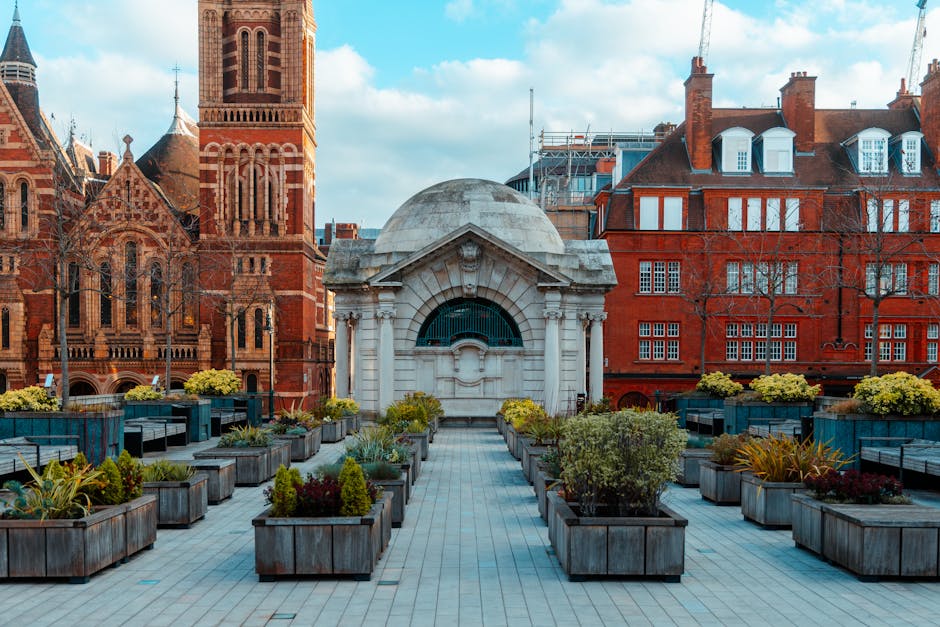
Finding the best gardeners for terraces near Euston Station is a bit different from hiring someone for a standard back garden. Terrace spaces in central London tend to be smaller, windier, overlooked, and used hard. They may need clever planting, tidy maintenance, safe access, and a gardener who understands container care as well as design. Get that choice right, and a terrace can feel calm, green, and properly lived-in rather than cramped or chaotic.
Whether you are a flat owner with a roof terrace, a landlord trying to keep a shared outdoor area presentable, or a busy professional who simply wants the space to look good year-round, the decision matters. A good terrace gardener does more than cut back a few plants. They help you avoid costly mistakes, make the most of limited light, and keep everything looking intentional. Truth be told, that kind of specialist know-how is what turns a terrace from "nice in summer" into a space you actually use.
In this guide, you will learn what makes terrace gardening different near Euston Station, how the service works, what to look for in a gardener, and how to compare options sensibly. You will also get a checklist, a simple comparison table, and practical questions to ask before you book. If you want a fuller view of the wider service offering first, the services overview is a useful place to start.
Why Best gardeners for terraces near Euston Station Matters
Terraces near Euston Station sit in one of those busy, mixed London environments where outdoor space has to work hard. You may be dealing with strong drafts between buildings, shade from neighbouring properties, reflected heat from brick and glass, or awkward access through communal areas. A general gardener may know plants. A terrace specialist understands the whole picture.
That matters because terrace spaces fail in predictable ways. Plants are chosen for the wrong light levels, watering becomes inconsistent, pots dry out too quickly, drainage is overlooked, and maintenance ends up being rushed. Before long, the space looks tired. Not because the idea was bad, but because the execution needed a steadier hand.
The best gardeners for terraces near Euston Station will usually focus on a few non-negotiables: container-friendly planting, tidy seasonal maintenance, wind resistance, safe movement of pots and materials, and a layout that suits how you actually live. They should be comfortable working in compact spaces where every planter counts and every choice shows.
Expert summary: The right terrace gardener is part plant expert, part problem-solver, and part planner. If they can explain why a plant belongs in a specific spot, how often it needs feeding, and what will happen in winter, you are probably speaking to someone worth trusting.
Near Euston, another point is simple convenience. A local gardener who can work efficiently around central London timings, access constraints, and the practical realities of flats and terraces can save a lot of hassle. Less waiting around. Less disruption. Better results.
How Best gardeners for terraces near Euston Station Works
Terrace gardening service is usually a blend of design, maintenance, and seasonal adjustment. The best gardeners start by looking at what the space can support, not just what looks good in a photo. That sounds obvious, but plenty of terrace problems begin with a beautiful plant list that simply does not suit the conditions.
Typically, the process starts with a site visit or an initial assessment. The gardener will look at light, exposure, drainage, access, container sizes, and the current condition of your plants or hard landscaping. They may also ask how you use the terrace. Is it for morning coffee, entertaining, relaxing after work, or all of the above? That one answer changes the plan more than people expect.
After that, a good gardener will usually recommend one of three approaches:
- Maintenance only for an established terrace that just needs regular care.
- Refresh and replant for terraces that need better structure, better plants, or healthier containers.
- Ongoing management for spaces that require seasonal adjustments, watering support, deadheading, pruning, feeding, and general oversight.
On a practical level, terrace gardening often involves container planting, lightweight compost choices, controlled watering, staking, clipping, and careful rotation of plants through the year. You may also need occasional tidy-ups after storms or heat spells. London weather is not exactly subtle, is it?
In many cases, the work is less about dramatic transformations and more about consistency. A terrace with strong bones, the right pots, and the right rhythm of care will look better month after month. That is usually the goal.
Key Benefits and Practical Advantages
Hiring a specialist terrace gardener brings a lot more than visual improvement. Yes, the space looks better, but the real value is in avoiding wasted effort and preventing the kinds of mistakes that make terrace gardens expensive to maintain.
- Better plant survival: The right species for exposed, shaded, or hot terrace conditions will cope better and need less rescue work.
- Smarter use of space: Good gardeners know how to create height, rhythm, and privacy in tight areas without making the terrace feel crowded.
- Lower long-term hassle: When containers, soil, and watering are planned properly, you spend less time firefighting.
- Cleaner appearance: Terraces show clutter fast. A good gardener keeps edges neat, plants balanced, and access clear.
- Seasonal flexibility: Planting can be updated for spring colour, summer resilience, autumn structure, and winter interest.
- Better privacy and comfort: Careful planting can soften sightlines and make a terrace feel more usable.
There is also a quieter benefit: peace of mind. If you live or work nearby, the terrace starts to feel like an asset rather than another chore. That may sound small, but in central London, small things matter a lot. Especially when you are trying to enjoy a cup of tea outside and not stare at three sad pots and a dry fern.
For many clients, the biggest win is predictability. A good gardener helps you know what is coming next, what needs replacing, and what can be left alone for another season. That makes budgeting and planning much easier.
Who This Is For and When It Makes Sense
Not everyone needs a terrace specialist straight away. But if your outdoor space has any of the following traits, the case becomes stronger fast.
- You have a roof terrace or balcony-style garden with limited soil depth.
- Your terrace gets strong wind, deep shade, or intense summer sun.
- You want privacy planting without blocking light completely.
- You have already lost plants because watering or exposure has been tricky.
- You manage a rental property, serviced apartment, or communal residential terrace.
- You want a high-end finish without having to maintain it yourself every week.
It also makes sense if you are short on time. Terrace gardens need attention in bursts. One week everything looks fine, then the weather changes, a pot dries out, or a climber starts leaning the wrong way. If you are busy commuting through Euston, or simply don't want another item on the weekend to-do list, professional support can be a very sensible choice.
Let's face it, a terrace can become a "later" project for months. Then suddenly it is midsummer and everything needs work at once. A gardener steps in before it gets to that point.
If you are comparing providers, looking at a company's about us page can help you understand experience, values, and how they approach customer care. That does matter, especially for work done in your home or building.
Step-by-Step Guidance
If you are choosing the best gardener for a terrace near Euston Station, a structured process helps. It prevents guesswork and gives you a fair way to compare options.
- Define the job clearly. Decide whether you need planting, maintenance, a full refresh, or just help stabilising the space.
- Assess the terrace conditions. Note light, wind, access, drainage, and whether the space is sheltered or exposed.
- Review plant needs. Identify what is healthy, what is struggling, and what should probably be replaced.
- Ask about experience with terrace work. This is more specific than general gardening. Container expertise matters.
- Check practical details. Think about timing, access to the building, waste removal, and how long the job will take.
- Request a clear quote. Good quotes are usually straightforward about scope, frequency, and what is included.
- Set a maintenance rhythm. Agree how often the terrace should be visited during spring, summer, and colder months.
One helpful trick: ask the gardener what they would do first if they were taking over the terrace tomorrow. Their answer tells you a lot. If it is practical, measured, and specific, that is a good sign. If it is vague and full of grand promises, maybe not so much.
After the first visit, the best setups usually evolve. A terrace rarely becomes perfect in one go. The smarter approach is a sequence: stabilise, improve, then refine.
Expert Tips for Better Results
A terrace can look polished for a week or two and still fail long term if the basics are wrong. These are the habits that make the difference.
Choose plants for the actual microclimate
Two terraces in the same street can behave very differently. One might catch harsh afternoon sun and dry fast. Another might be shaded and damp after rain. A skilled gardener reads those conditions carefully rather than relying on broad assumptions.
Think in layers, not just pots
Good terrace design usually has a front layer, middle layer, and taller background structure. That might mean a low aromatic edge, mid-height flowering containers, and one or two taller plants for privacy or rhythm. It sounds simple. It really is, but it needs restraint.
Do not ignore irrigation and watering habits
Even a beautiful terrace can suffer if watering is inconsistent. In hot spells, containers may dry out fast. In cold seasons, excess water can be more of a problem than dryness. Ask for a watering plan that matches the size of the terrace and how often you are around.
Prioritise container health
Pots and planters are not just decorative. They are the whole growing environment. The right size, drainage, and material matter. Lightweight containers can be helpful on terraces, but they still need proper stability.
Keep one eye on maintenance
Some plants are gorgeous but high drama. Others are more forgiving. A seasoned gardener will help you strike a balance so the terrace looks good without requiring constant rescue. That balance is where good value lives.
If sustainability is important to you, it is worth asking how plant waste and old materials are handled. You can also review a provider's recycling and sustainability approach to understand how they think about responsible disposal and greener working habits.
Common Mistakes to Avoid
Terrace gardening errors are often small at the start and annoying later on. Here are the ones that crop up most often.
- Choosing plants for looks only. Lovely in the shop, miserable on a windy terrace.
- Overcrowding containers. Spaces can look lush and still be too cramped to thrive.
- Ignoring weight and access. Heavy planters and awkward routes can be a real problem in flats and upper-floor terraces.
- Underestimating watering needs. Especially in summer, terraces can dry out faster than people expect.
- Skipping seasonal review. What works in May may not work in November.
- Assuming all gardeners do terrace work well. Not always true. Some do, some don't. Ask directly.
Another common mistake is wanting a terrace to do everything at once: privacy screen, herb garden, flower display, storage disguise, dining backdrop, and a maintenance-free zone. Ambitious? Yes. Realistic? Usually not. A better terrace solves the most important problems first and then builds up slowly.
And if the terrace has not been touched for a while, be prepared for a reset. Sometimes that means clearing tired planting, replacing poor soil, and starting with a simpler framework. That is not failure. It is just the practical way to get control back.
Tools, Resources and Recommendations
The best gardeners for terraces near Euston Station usually bring their own equipment and know which tools suit compact urban spaces. You do not need to buy everything yourself, though some owners like to keep a few basics on hand.
- Quality hand tools: secateurs, trowels, and small weed tools for precise work in containers.
- Watering equipment: cans, hoses where appropriate, or irrigation support for larger terraces.
- Plant feeds and compost: chosen for container gardening rather than general outdoor use.
- Stakes and ties: helpful for taller plants in windy conditions.
- Protective moving gear: useful when repositioning heavy pots without damaging surfaces.
From a service perspective, it is smart to check how a provider handles pricing, scope, and payment terms before any work begins. A transparent pricing and quotes page can make comparison easier and reduce awkward surprises later.
If you want to understand the company behind the work, the insurance and safety and health and safety policy pages are useful trust signals, especially when work involves rooftops, shared access, or handling heavier materials.
And if access arrangements, communication, or service standards matter to you, it is sensible to look at the practical information around terms and conditions and the company's complaints procedure. Nobody enjoys reading that stuff. Still, it tells you a lot about professionalism.
Law, Compliance, Standards, or Best Practice
For terrace gardening, the main compliance issues are usually practical rather than dramatic. You are generally looking at safe working practices, building access rules, waste handling, and sensible care around shared spaces. If the terrace is part of a block, there may also be lease or building-management requirements to consider.
In UK settings, good practice usually includes making sure work is carried out safely, materials are moved carefully, and the space remains usable during and after the job. A reliable gardener should be comfortable discussing access, where tools will be stored during the visit, and how plant waste will be cleared away without creating a nuisance.
It is also wise to ask whether the gardener is insured for the work they do. For terraces, that is not just box-ticking. You want someone who understands the risks of working in elevated or restricted areas and who takes those risks seriously.
From a customer point of view, clear quotes, clear scope, and clear payment terms are all part of best practice. If you ever feel something is being glossed over, pause and ask again. A good provider will not mind. In fact, they should welcome it.
For people who are concerned about accessibility, service communication, or how information is presented, checking an accessibility statement can be useful. It is a small detail, but it often reflects how carefully the business thinks about clients.
Options, Methods, or Comparison Table
If you are deciding between different ways to care for a terrace, this simple comparison can help.
| Option | Best for | Pros | Watch-outs |
|---|---|---|---|
| One-off tidy-up | Terraces that just need a reset | Quick improvement, useful before guests or property photos | May not solve deeper plant or drainage issues |
| Seasonal refresh | Spaces that need planting updates through the year | Better colour, structure, and plant health | Still needs occasional follow-up care |
| Regular maintenance | Busy homeowners, landlords, and communal terraces | Most consistent results, fewer surprises | Requires a recurring budget |
| Full terrace redesign | Spaces with poor layout, tired planting, or unusable corners | Biggest long-term improvement | More planning, more upfront effort |
In many real situations, a phased approach works best. Start with a tidy-up or refresh, then move to regular care once the terrace is stable. That way, you are not trying to redesign everything in one go while also wondering where the hose is. Happens more than you'd think.
Case Study or Real-World Example
Imagine a compact terrace close to Euston with a mix of containers, a few tired evergreens, and one sunny corner that had become a graveyard for thirsty herbs. The owner wanted something attractive enough for evening use, but not a demanding mini-jungle that needed daily attention.
The gardener began with a condition check: one area was windy, another had afternoon shade, and several pots were holding too much water. Instead of forcing a dramatic makeover, the space was split into zones. Hardier structural plants went into the exposed side. More delicate, low-maintenance planting was moved to the sheltered end. The herbs were reduced to a smaller, more realistic selection near the main seating area where they could be watered more easily.
What changed? The terrace looked calmer. It felt intentional. More importantly, the owner stopped losing plants every few weeks. The design was not flashy, and that was exactly why it worked.
That is often the difference between a terrace that survives and one that thrives. The good result usually looks quite ordinary at the start. Then, a month or two later, you notice the space feels easier to live with. That's the win.
Practical Checklist
Before you hire anyone, run through this checklist. It keeps the decision grounded.
- Have I confirmed that the gardener has terrace or container-garden experience?
- Do I understand what the job includes and what it does not include?
- Have I explained the terrace's light, wind, and access conditions?
- Does the quote feel clear and specific?
- Have I asked how plant waste will be handled?
- Do I know whether the work is one-off or ongoing?
- Have I checked for insurance and safe working practices?
- Do the suggested plants match the actual conditions?
- Is the maintenance plan realistic for my schedule?
- Have I reviewed the company's trust and service information, including payment and security?
If you can tick most of those boxes, you are probably on the right track. If not, no rush. Better to ask one more question now than fix a bad terrace plan six weeks later.
Get a free quote today and see how much you can save.
Conclusion
The best gardeners for terraces near Euston Station are the ones who understand the real-life constraints of central London outdoor spaces. They know how to work with light, wind, containers, access, and maintenance rather than pretending a terrace behaves like a full garden. That practical mindset is what protects your investment and makes the space more enjoyable day to day.
If you choose carefully, ask clear questions, and look for honest guidance rather than overblown promises, you can end up with a terrace that feels genuinely useful. Not just pretty for a week. Useful. Comfortable. Easy to live with.
And that is the real goal, really. A terrace should make life feel a little lighter when you step outside, even if only for five minutes between the noise of the city and the next thing on your list.
Frequently Asked Questions
What makes a gardener suitable for terrace work near Euston Station?
A suitable gardener understands container planting, limited access, wind exposure, drainage, and the practical limits of urban outdoor spaces. General gardening experience helps, but terrace-specific know-how matters more here.
How often should a terrace garden be maintained?
It depends on the size, planting style, and exposure, but many terraces benefit from regular checks during the growing season. Some spaces need weekly attention in summer, while others can manage with less frequent visits.
Is terrace gardening more expensive than regular garden maintenance?
It can be, because terrace work often involves more specialised planting, access challenges, and container management. That said, the real cost depends on the scope of work and how much redesign or ongoing care is needed.
What should I ask before booking a terrace gardener?
Ask about experience with terrace gardens, what the service includes, how waste is handled, whether they are insured, and how often maintenance should happen. A clear answer is usually a good sign.
Can a terrace be designed to need less maintenance?
Yes. A good gardener can select tougher plants, improve container choice, and set up a layout that is easier to care for. Low-maintenance does not mean no maintenance, though. Let's not kid ourselves.
What plants work best on exposed terraces?
Hardier, wind-tolerant, and drought-aware plants tend to cope better. The exact choice depends on light, shelter, and container size, so a proper site assessment is the safer approach.
What if my terrace has poor drainage?
Poor drainage should be addressed before or during planting. A terrace gardener may recommend changing containers, improving compost, or adjusting the planting approach to stop roots sitting in water.
Do I need regular maintenance if my terrace already looks fine?
Often, yes. Terraces can deteriorate quietly. Plants outgrow their space, pots dry unevenly, and seasonal changes can undo a good setup quite quickly. Maintenance keeps the space stable.
How do I compare different gardeners fairly?
Compare experience, clarity of quote, knowledge of terrace conditions, communication, insurance, and whether the recommendations actually make sense for your space. Price alone is rarely the full story.
Can a terrace gardener help with privacy planting?
Yes, very often. The trick is to create screening without making the terrace feel boxed in or dark. Good planting can soften views while keeping the space airy.
What if I only need a one-off refresh?
That is perfectly reasonable. A one-off visit can be a smart way to reset tired planting, tidy containers, and decide whether ongoing care is worth it afterward.
How do I know if a company is trustworthy?
Look for clear service information, sensible policies, transparent payment details, and straightforward communication. Pages such as contact details and privacy policy can help you judge professionalism, too.