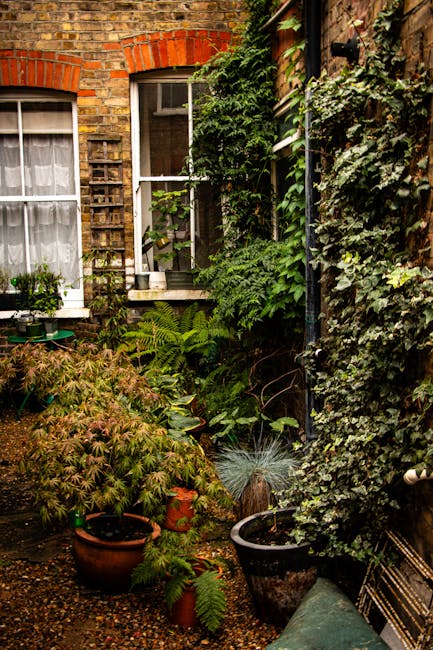
Bloomsbury to Euston Small Garden Solutions by Local Gardeners
If you live between Bloomsbury and Euston, you already know the garden problem here is rarely about having too much space. It is the opposite. Courtyards, narrow plots, awkward light, shared access, and a layout that seems to have been designed by someone who really enjoyed corners. That is exactly why Bloomsbury to Euston small garden solutions by local gardeners matter so much. Done well, a compact garden can feel calmer, greener, and far more usable than its size suggests.
This guide breaks down what local gardeners actually do for small urban gardens, how the process works, what to avoid, and which improvements usually give the best return. Whether your space needs a quick tidy-up, a smarter layout, or a full refresh, you will find practical ideas here that fit London living rather than fight against it.
Table of Contents
- Why Bloomsbury to Euston small garden solutions by local gardeners Matters
- How Bloomsbury to Euston small garden solutions by local gardeners Works
- Key Benefits and Practical Advantages
- Who This Is For and When It Makes Sense
- Step-by-Step Guidance
- Expert Tips for Better Results
- Common Mistakes to Avoid
- Tools, Resources and Recommendations
- Law, Compliance, Standards, or Best Practice
- Options, Methods, or Comparison Table
- Case Study or Real-World Example
- Practical Checklist
- Conclusion
- Frequently Asked Questions
Why Bloomsbury to Euston small garden solutions by local gardeners Matters
Small gardens in this part of London are rarely simple rectangles with generous borders and perfect sun. They are more often tucked behind period terraces, split across levels, boxed in by brick walls, or overlooked by taller buildings. That can make them feel tricky, but it also means thoughtful design has a real impact. A skilled local gardener sees the difference between a space that is merely maintained and one that actually works.
The value of local expertise is practical. Gardeners familiar with central London conditions tend to understand shading, restricted access, limited storage, and the need for tidy, low-disruption work. They also know that a small garden is not just a miniature version of a big one. You cannot simply shrink everything down and hope it feels balanced. A compact space needs proportion, restraint, and a bit of common sense.
To be fair, many gardens around Bloomsbury and Euston only need a few well-judged changes to feel transformed. A clearer path. Better planting. Less clutter. A bit of structure. Sometimes a single awkward shrub is making the whole place feel cramped, and nobody notices until it is cut back or replaced. It happens more often than you might think.
If you are exploring wider help for your outside space, the services overview is a useful place to understand the kinds of work local gardeners typically cover, from tidy-up jobs to more involved improvements.
How Bloomsbury to Euston small garden solutions by local gardeners Works
The process usually starts with a close look at how the garden is used now, not how you wish it used itself. That sounds obvious, but it is where good projects begin. A local gardener will normally assess access, light, drainage, boundaries, soil condition, and the main frustrations: too much shade, nowhere to sit, messy edges, patchy grass, or planting that never quite established.
From there, the work is usually shaped around one of three directions: tidying and restoring, simplifying and improving, or redesigning and rebuilding. In small gardens, those categories often overlap. For example, a garden might need clearance, hedge shaping, lawn attention, and a more efficient planting plan all at once. That is not unusual at all.
Local gardeners also tend to think in layers. In a small space, the best results often come from combining:
- clear ground-level structure, such as paths, edging, or decking
- mid-height planting for colour and softness
- vertical features like trellis, climbers, or neat screening
- practical maintenance routines that keep the space looking finished
This layered approach matters because a tiny garden can feel busy in a bad way very quickly. If every surface, border, and corner is competing for attention, the eye never settles. Good design gives the eye somewhere to rest. That alone can make the space feel larger.
Many homeowners also ask for help with specific tasks rather than a full redesign. In that case, services such as garden maintenance, lawn mowing, hedge trimming, or garden clearance can be combined into a sensible plan without turning the project into a major build.
Key Benefits and Practical Advantages
A well-planned small garden gives you more than a tidy outdoor area. It gives you a usable extension of your home. That matters in this part of London, where even a modest courtyard can become a morning coffee spot, a place to grow herbs, or a quiet corner to shut out the traffic hum for five minutes.
- Better use of limited space: Every square metre earns its keep.
- Lower upkeep: Smart planting and simple structure often reduce maintenance headaches.
- Improved privacy: Carefully placed planting or screening can soften sightlines without making the space feel boxed in.
- More light and openness: Trimming, pruning, and removing bulky clutter can reveal space you forgot existed.
- Year-round appeal: Even small gardens can look good in winter if the structure is right.
The best part? A compact garden often responds quickly to sensible changes. You do not need a huge budget or a full landscape rebuild to make a meaningful difference. Sometimes a new layout and a cleaner finish are enough to turn a neglected patch into a place you actually want to sit in. That is the sweet spot.
If you are thinking about more substantial improvements, the landscaping and landscape gardening options can help you plan a space that balances looks, function, and maintenance.
Who This Is For and When It Makes Sense
This kind of work suits a wide range of property owners, from flat residents with compact courtyard gardens to landlords trying to keep a rental outdoor space presentable, and from busy professionals to older homeowners who want the garden to be easier to manage. Truth be told, small gardens are often busiest exactly when people have the least time to deal with them.
It makes sense if any of these sound familiar:
- your garden feels cluttered or hard to walk through
- plants have outgrown the space and now dominate it
- you want a low-maintenance layout rather than a high-effort one
- the garden looks tired, but you do not want a full rebuild
- you need the space to work for sitting, dining, or planting, not just one of those things
- you are preparing a property for sale or rental and want cleaner kerb appeal at the back of the home too
One common scenario is the "I only need a bit of tidying" job that turns out to be more complex once work begins. A tangle of climbers, self-seeded plants, and old timber edging can hide a lot. Nothing dramatic, just the sort of garden that has quietly been winning the battle for a few years. Local gardeners are used to that. No judgement, just a plan.
Step-by-Step Guidance
If you want the best outcome, it helps to approach a small garden in stages. That keeps decisions sensible and stops the space becoming overdesigned or overworked.
- Start with a clear purpose. Decide what the garden should do first: seating, planting, low maintenance, pet use, privacy, or a mix.
- Strip back the distractions. Remove dead growth, broken pots, stray materials, and anything that blocks circulation.
- Assess light and shade. Note where the sun lands in the morning, midday, and late afternoon. In small gardens, even an hour matters.
- Define movement. Paths, stepping points, or simple open zones make the garden feel easier to use.
- Choose structure before detail. Think edging, screening, raised beds, or seating zones before choosing dozens of plants.
- Pick plants that suit the site. Match plant size and growth habit to the available space.
- Build in maintenance. A garden is only successful if it stays manageable after the first tidy-up.
Here is a practical rule of thumb: in a small garden, every feature should justify itself. If it does not add beauty, function, or calm, it probably does not belong. That sounds strict, maybe, but it saves a lot of regret later.
For many gardens, starting with a proper tidy and refresh is the easiest route. A scheduled maintenance visit can reveal what the space needs before you commit to harder changes.
Expert Tips for Better Results
Small gardens reward restraint. People often assume the answer is to add more features, but the opposite is usually true. A few sharper decisions go further than a dozen decorative extras.
1. Use fewer materials, but use them well. Mixing too many paving types, colours, or planter styles can make the space feel busy. Keep a tight palette.
2. Go vertical where possible. Trellis, climbers, wall-mounted planting, and slim screening can create privacy without eating ground space.
3. Treat the edges carefully. Neat borders, clean edging, and controlled hedge lines help the whole garden feel finished. That is where hedge trimming becomes more than a cosmetic job.
4. Don't overplant. New gardeners often underestimate mature size. A plant that looks modest in a pot can become a bully by next season. Happens all the time.
5. Make one focal point. A bench, a specimen plant, a planter, or a small water feature can give the garden a sense of purpose. Just one. Not five.
6. Think about maintenance at the design stage. If you dislike constant sweeping, avoid gravel-heavy layouts in awkward spots. If you hate clipping, choose slower-growing planting and cleaner edges.
One quiet trick local gardeners use a lot is contrast. Soft planting against hard walls. Fine leaves next to broad leaves. Light surfaces beside darker planting. It gives the eye something to enjoy, even in a tiny footprint.
Expert summary: The best small gardens in Bloomsbury and Euston are not the most elaborate ones. They are the ones that feel easy to use, easy to maintain, and calm to look at on a rainy Tuesday morning.
Common Mistakes to Avoid
Small gardens can go wrong in predictable ways. The good news is that most of them are avoidable if you slow down before changing too much.
- Overcrowding the space: Too many pots, chairs, or plants make the garden feel smaller.
- Ignoring light conditions: Shade-tolerant and sun-loving plants are not interchangeable, however neat they look in a nursery.
- Choosing fast-growing species without a plan: They may look brilliant for six months, then suddenly not so brilliant.
- Skipping the groundwork: If the soil is poor, drainage is bad, or the surface is uneven, cosmetic fixes will not last.
- Forgetting access: In central London, getting materials in and waste out can be half the job.
- Making maintenance too complicated: If upkeep feels like a part-time job, the design needs simplifying.
A particularly common mistake is trying to make a small garden do everything. Dining area, play area, wildlife corner, cutting patch, sculpture space, storage, and a mini orchard? Well, yes, but only if you have room. Most of the time, a better result comes from choosing two or three priorities and committing to them properly.
Another easy one to miss: seasonal clutter. A few winter pots, some fallen leaves, and one broken bag of compost can change how a space feels almost overnight. Small gardens are sensitive like that.
Tools, Resources and Recommendations
Local gardeners working in this part of London usually rely on practical, compact tools that suit restricted access and quick turnaround. You do not need a van full of gadgets to improve a small garden. In fact, too much kit can slow everything down.
Commonly useful tools and materials include:
- hand shears and secateurs for precise pruning
- lightweight spades and forks for border work
- debris sacks and compact waste containers
- mulch or compost to improve soil and retain moisture
- simple edging materials to sharpen borders
- slim trellis or support structures for climbers
- weather-resistant planters for patios and courtyards
On the service side, it is often helpful to combine related tasks. For example, a garden that needs a reset may benefit from garden clearance first, then targeted planting or surface improvements. If the soil level is off or the garden needs stronger structure, a measured landscape gardening approach may be the smarter route.
If your plan includes decking, a small raised area can make a surprising difference in a narrow garden, especially where you want a dry sitting spot. The decking services page gives a sense of how that type of work fits into a broader outdoor design.
Law, Compliance, Standards, or Best Practice
For small garden work in London, the most important point is simple: the work should be safe, well-managed, and considerate of neighbouring properties. That includes how waste is handled, how tools are used, and how access is managed in shared or tight spaces. You do not need to turn this into a legal seminar, but you do need a decent standard of practice.
Good gardeners should be mindful of:
- safe handling of tools and lifting materials
- care around boundaries, shared access, and neighbouring property
- responsible removal and disposal of green waste
- appropriate checks before pruning larger or potentially unsafe growth
- clear communication about what is included in the job
If trees or substantial branches are involved, extra caution is sensible. Some work may be suitable for routine pruning, while more involved cutting or removal needs a more careful assessment. In those cases, tree lopping and removal should only be approached with proper safety and judgement. No heroics. Nobody needs that sort of drama.
It is also sensible to ask about insurance, public safety, and how the team manages access or cleanup. Reputable providers usually have straightforward answers. You can also review insurance and safety information and the health and safety policy if you want more confidence before booking.
For waste handling, recycling, and responsible disposal, a clear sustainability approach matters too. Small gardens may not generate huge volumes, but green waste still needs to be dealt with properly. The recycling and sustainability page is a useful signal that environmental care is part of the service, not an afterthought.
Options, Methods, or Comparison Table
Not every garden needs the same level of intervention. In practice, most homeowners are choosing between three broad approaches. Here is a simple comparison that may help.
| Approach | Best for | Typical outcome | Watch-outs |
|---|---|---|---|
| Basic tidy and maintenance | Overgrown but fundamentally usable gardens | Cleaner, lighter, easier to manage | Does not solve underlying layout problems |
| Targeted improvement | Gardens that need better structure or planting | More functional space with visible design gains | Needs clear priorities to avoid piecemeal results |
| Full redesign or landscaping | Gardens with major access, drainage, or layout issues | Stronger transformation and longer-term usability | Higher commitment and more planning required |
In the Bloomsbury to Euston area, many projects sit in the middle category. A full rebuild may be unnecessary, but a basic tidy alone will not get the job done either. This is where local judgement helps. The right balance is usually somewhere between "let's clean this up" and "let's rethink the whole layout."
Case Study or Real-World Example
Picture a small rear garden behind a flat near the Bloomsbury side of the route toward Euston. It is not a disaster, just tired. A low wall, patchy lawn, one hedge leaning a little too confidently into the walkway, and a cluster of containers that started as a feature and somehow became storage.
The first step is clearing dead material, pruning back the hedge, and removing clutter so the proportions become visible again. Immediately, the garden feels less compressed. Next, a local gardener might open up the centre line, add a cleaner edge to the planting areas, and replace a few struggling pots with hardier containers that suit the light. If the lawn is too small to justify the upkeep, it might even be reduced or replaced with a simpler surface and more planting.
The real change is not flashy. It is functional. You can step outside without dodging things. You can sit down without staring at a mess of mismatched containers. The space feels intentional rather than accidental. And that, honestly, is usually what people want but struggle to describe at the start.
One detail that often surprises homeowners is how much difference the "boring" work makes. Edging, cutting back, waste removal, and cleaning the lines often do more for the garden than a bag full of decorative purchases ever could.
Practical Checklist
Use this checklist before booking or starting work on a small garden.
- Clarify your main goal: tidy-up, privacy, planting, seating, or full redesign?
- Measure the usable space: even rough dimensions help a lot.
- Note sun and shade: morning, midday, late afternoon.
- List current problems: clutter, poor drainage, weak lawn, overgrown hedges, tired borders.
- Decide what can be removed: broken pots, unused features, dead planting, excess furniture.
- Think about maintenance: how much time do you really want to spend each month?
- Ask about waste handling: especially if there is clearance involved.
- Check safety and insurance: this matters more than people sometimes think.
- Consider phased work: sometimes the best outcome comes in stages.
- Choose features with restraint: one strong idea usually beats five weak ones.
If you are unsure where to begin, contact a local team that can help you prioritise the job properly. A quick conversation often saves a lot of guesswork later. Small gardens really do benefit from that extra bit of care.
Get a free quote today and see how much you can save.
Conclusion
Bloomsbury to Euston small garden solutions by local gardeners are about making limited space work harder, look better, and feel easier to live with. That might mean a simple maintenance visit, a smarter planting plan, a tidy clearance, or a more complete redesign with better structure. The common thread is practical judgement.
In a compact London garden, the details matter. A cleaner edge, the right plant in the right place, less clutter, better access, and a layout that supports real daily use. It does not have to be grand. It just has to feel thoughtful. And once a small garden starts working properly, you notice it every time you step outside, even for a minute.
If your outdoor space has been nagging at you for a while, that is usually a sign it is ready for a proper plan. Not a perfect one. Just a better one. And sometimes that is enough to make the whole home feel lighter.
Frequently Asked Questions
What do local gardeners usually do for small gardens in Bloomsbury and Euston?
They usually handle a mix of tidying, pruning, lawn care, hedge trimming, planting improvement, clearance, and layout adjustments. In small spaces, the focus is often on making the area easier to use and less cluttered rather than adding lots of features.
How do I know if my small garden needs clearance or full landscaping?
If the space is mainly overgrown, messy, or blocked by dead material, garden clearance may be enough to start with. If the layout itself is awkward, drainage is poor, or you want a lasting redesign, landscaping is likely the better option.
Can a tiny courtyard garden still look good with low maintenance?
Yes, absolutely. In fact, tiny gardens often respond well to low-maintenance design because there is less space to manage. Simple planting, clean edges, and a smaller number of strong features can make the garden look far more polished.
What are the best plants for a small shaded London garden?
The best plants depend on your exact light levels, soil, and available space, but a local gardener will usually suggest shade-tolerant, compact, and slow-to-moderate-growing varieties. The key is choosing plants that stay in proportion to the garden.
Is lawn mowing still worth it in a very small garden?
Sometimes yes, sometimes no. If the lawn is healthy and usable, it can be worth keeping. But in very tight spaces, a lawn may become high-maintenance and not add much value. A gardener can help you decide whether to keep, reduce, or replace it.
How often should a small garden be maintained?
That depends on the planting and how fast everything grows, but many small urban gardens benefit from regular seasonal maintenance rather than waiting until things become overgrown. A light, frequent approach usually works better than a big rescue job once a year.
Can local gardeners help with privacy in overlooked gardens?
Yes. Privacy can often be improved with careful hedge shaping, climbers, trellis, screening, or better planting placement. The trick is adding privacy without making the space feel boxed in.
What should I ask before booking garden work?
Ask what is included, how waste will be handled, whether the team is insured, how access will work, and whether the plan suits a small space. Clear answers up front usually mean a smoother job.
Do small garden improvements need planning if I only want simple changes?
Not formal planning in most cases, but a little thought goes a long way. Even simple changes should consider access, neighbour boundaries, light, drainage, and how the space will be maintained afterwards.
How do I stop a small garden from feeling cluttered again?
Keep the design simple, limit the number of features, avoid overplanting, and build maintenance into the routine. A small garden gets messy quickly if every corner is trying to do too much.
Are decking services useful for compact gardens?
They can be. A small decked area can create a neat sitting zone or help separate different parts of the garden. The right design matters, though. Overdoing it can shrink the usable space, so balance is everything.
Who should I contact if I want help turning a small garden into something usable?
Look for a local gardener with experience in compact urban spaces and a sensible, practical approach. If you want to discuss options, start with the team via the contact page and be ready to describe what frustrates you most about the garden. That usually gets the best advice fastest.