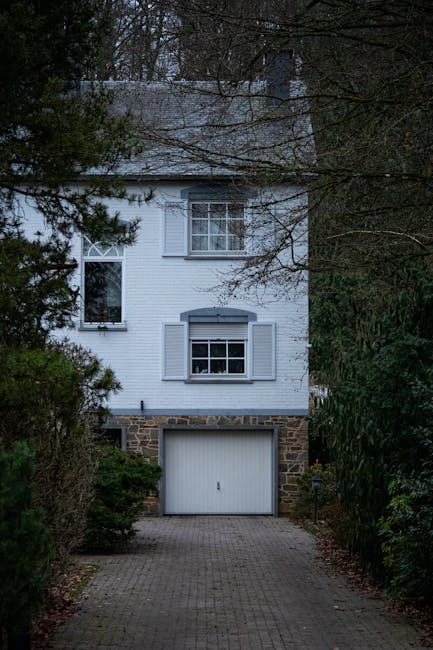
Common problems with driveway access for Euston gardeners
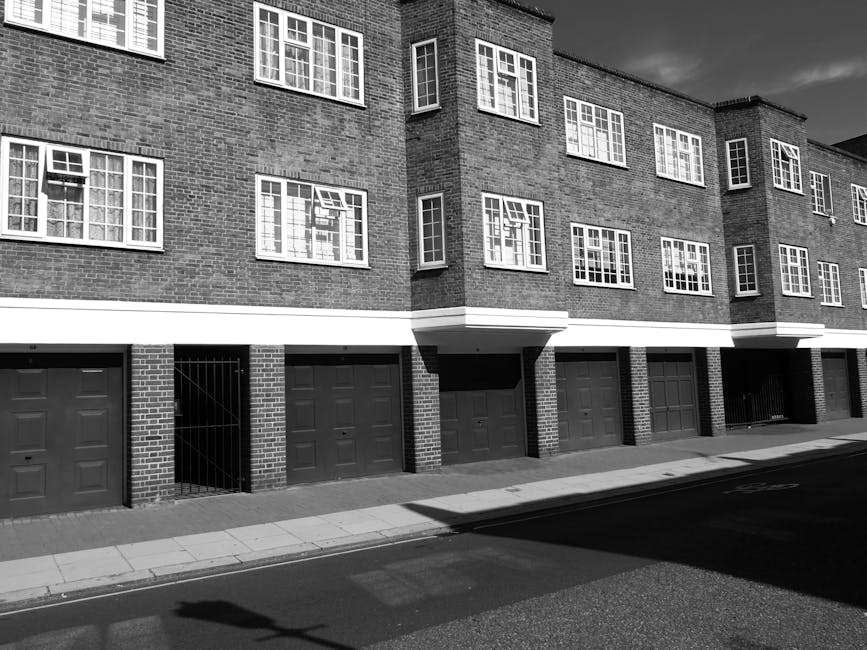
If you have ever watched a gardener pause at the kerb, look at a narrow driveway, and quietly rethink the whole job, you already know the issue. Common problems with driveway access for Euston gardeners can affect everything from mowing lawns to moving bags of soil, timber, waste and tools. In an area like Euston, where homes can sit behind tight front paths, shared entries, railings, steps, parked cars, or awkward gates, access is often the thing that decides whether a visit runs smoothly or becomes a bit of a faff.
This guide breaks down the real access problems gardeners run into, why they matter, and what a good plan looks like before the first spade comes out. You will also find practical fixes, a comparison table, a checklist, and a realistic example from an everyday Euston-style job. No fluff. Just the things that actually help.
Why driveway access matters for Euston gardens
Driveway access sounds simple until you actually try to move through it with wheelbarrows, mowers, hedge trimmers, compost, gravel, fencing panels, or a pile of cuttings that smells very green and slightly damp after rain. In Euston, where properties can be close together and front approaches are often shared or compact, access directly affects how much can be done in one visit, how long the work takes, and how much disruption is created.
The main point is this: garden work is not only about the garden. It is also about the route to the garden. If a driveway is too narrow, blocked by cars, steep, uneven, gated, or poorly lit, every task becomes slower and less efficient. Even a simple lawn visit can turn awkward if equipment has to be carried around the house or through a side passage with tight turns.
For homeowners, landlords, and property managers, this matters because access problems can lead to:
- delays at the start of the job
- extra manual lifting
- more time spent on site
- greater wear on equipment and surfaces
- higher risk of accidental damage
- needing a different schedule or method altogether
Truth be told, most issues are manageable if they are discussed early. A quick look at access before booking can save a lot of back-and-forth later. It is the sort of thing people overlook until the van arrives and there is nowhere sensible to unload. Then everyone is standing there, half-planning with the tea still hot.
How driveway access affects garden work
Good driveway access lets a gardener get tools and materials in and out quickly, safely, and with minimal disturbance. Poor access slows every stage down. That includes arrival, unloading, moving waste, refuelling battery tools, and loading up at the end. If access is tight, even the best-planned garden visit needs a different workflow.
In practice, gardeners usually think about access in a few layers:
1. Width and turning space
Can the gardener walk through with equipment? Can a wheelbarrow pass without scraping walls, parked cars, or railings? Can a vehicle reverse or turn without blocking the road? In older London streets, the answer is often "sort of, but not comfortably."
2. Surface condition
A cracked, muddy, sloped, or uneven driveway creates traction issues and makes wheelbarrows harder to control. Loose gravel can shift underfoot. Moss or wet paving can become slippery. It sounds small until someone is pushing a loaded barrow downhill. Not fun.
3. Gate and door access
Sometimes the driveway itself is fine, but the gate is too narrow, heavy, or awkwardly positioned. A side gate may also open the wrong way, or a latch may stick. Gardeners need a clear route for carrying bags, ladders, and longer tools.
4. Parking and loading
If there is no legal or practical place to stop near the property, the team may need to park further away and hand-carry tools. That affects labour time and may change the sequence of work, especially for bulkier jobs like garden clearance or landscaping prep.
5. Waste removal and material delivery
Jobs involving soil, turf, paving, timber, or hedge cuttings are especially sensitive to access. If waste has to be carried long distances, the job becomes physically harder and more time-consuming. For bulk jobs, this can shape whether the work is best tackled in one visit or split into stages. A well-planned garden clearance service often depends on this more than people expect.
Access is basically the hidden logistics side of gardening. You do not always notice it when it works. You very much notice it when it doesn't.
Key benefits of sorting access early
Checking driveway access before the job starts may feel slightly tedious, but it gives you cleaner results and far fewer surprises. The advantages are practical, not theoretical.
- Faster job completion: Tools, cuttings, and materials can move more directly.
- Less mess: There is less chance of dragging soil or debris across paths and indoor thresholds.
- Better safety: Reduced lifting, fewer trips, and less chance of slipping or bumping into hard surfaces.
- More accurate pricing: The gardener can quote based on the actual working conditions, not a guess.
- Less damage risk: Walls, railings, paving, turf edges, and vehicles stay better protected.
- Improved scheduling: Work can be planned around parking, neighbours, or delivery windows.
For recurring work, access planning also makes routine visits smoother. If you arrange ongoing garden maintenance, the team can build a repeatable system instead of rethinking the property every time. That is where the real value sits.
Practical takeaway: the easier the access, the more of the visit is spent on gardening rather than manoeuvring tools, carrying waste, or managing avoidable delays.
Who this is for and when it makes sense
This topic matters to more people than you might think. If the garden is tucked behind a terrace, shared with neighbours, or reached via a narrow drive, driveway access will influence the whole service.
Homeowners
If you want regular mowing, hedge work, tidy-ups, or seasonal clearance, access determines how convenient the service will be and whether a gardener can bring the right equipment on the day.
Landlords and managing agents
For rented homes, access issues often show up between tenancies or during scheduled maintenance. A driveway blocked by a tenant's vehicle, builders, or skips can complicate a job quickly. Sometimes it needs a little coordination, sometimes a lot.
Busy families
If the property has school-run traffic, bikes, prams, bins, or multiple cars sharing the front space, you need a plan. Otherwise the gardener is dodging obstacles while the day gets more chaotic around them.
Older properties and tight urban plots
Euston has plenty of properties where the front layout was never designed with modern vehicles or large garden equipment in mind. Narrow side returns, stepped entries, and shared forecourts are common enough to be expected.
Anyone booking heavier work
If you are arranging landscaping, turf removal, hardscape prep, hedge reduction, or tree work, access matters even more. A lighter service like lawn mowing may still cope with a tricky route, but larger jobs may need a proper site plan. For example, if the work involves structural changes or new features, a team offering landscape gardening or landscaping will usually want to see access before agreeing method and timing.
When does it make sense to address it? Before booking, ideally. Not after the van is idling outside. That's the painful moment.
Step-by-step guidance
If you want smoother driveway access for garden work, a simple process helps. The aim is to remove guesswork and make the visit predictable.
- Walk the route from the street to the garden. Notice narrow points, steps, low walls, gates, bins, and anything that could snag a wheelbarrow or tool bag.
- Measure the key pinch points. You do not need a building survey. Just check whether the route is realistically usable for the equipment likely to be brought.
- Look at parking and stopping space. Can a van stop without causing problems? Is there room for loading? Are there resident bays, restrictions, or a tight turning circle?
- Clear obvious obstacles beforehand. Move cars, bikes, bins, plant pots, toys, and hose reels where possible. It sounds obvious. It still gets missed all the time.
- Check the surface. Sweep loose gravel, wet leaves, mud, or moss from the access line. This helps with grip and reduces the chance of slips.
- Flag any security issues early. If there is a locked gate, coded entrance, or a need for someone to be home, mention it in advance.
- Match the service to the route. For example, if the access is poor but the task is light, a smaller kit setup may work. If the work is heavy, it may need a different approach or a split visit.
- Review waste and material removal. If the job creates large amounts of green waste or spoil, think about how it will leave the property. That part matters a lot.
A small note from real life: the best access plans are rarely dramatic. Usually they are just tidy, clear, and honest. There is something rather satisfying about a job where the tools roll in, the gate opens properly, and nobody has to play driveway Tetris.
Expert tips for better results
Experienced gardeners tend to look beyond the obvious. Here are the details that make a real difference.
Use the access route that creates the least friction
Sometimes the front drive is not the best route. A side gate, rear lane, or shared path may be easier if it avoids steps, tight corners, or parked cars. It is worth comparing options before deciding how the job should run.
Think about the order of work
If heavy items need to go through first, do that before the garden is fully tidied. If the route is delicate, leave final clean-up until the end so the access path stays clear. Small sequencing choices save time.
Protect surfaces proactively
On decorative paving or newer drive finishes, use sensible surface protection where needed. A gardener who is careful with loading and unloading will usually reduce wear, but a bit of planning goes a long way. This is especially true in damp weather when surfaces can be slick.
Keep the route visible
Good lighting, even in daytime-shadowed areas, helps avoid stumbles. If the driveway is under trees or between tall walls, visibility can be surprisingly poor by late afternoon. In winter, it gets worse fast. You really notice it around 4pm.
Plan for waste before the job begins
One of the biggest access headaches is not getting into the property. It is getting the waste out. If the garden is being cleared, trimmed hard, or redesigned, waste volume may be larger than expected. In those cases, early planning with tree lopping and removal or garden clearance support can make a huge difference.
Be honest about limitations
If a route is awkward, say so. A good gardener would rather know in advance than discover a blocked side gate halfway through the job. No one enjoys improvising with a hedge trimmer in one hand and a bag of compost in the other. Well, maybe some people do. Most do not.
Common mistakes to avoid
Most access problems come down to a few repeated mistakes. The good news? They are easy to avoid once you know what to look for.
- Assuming the team can "just manage." Sometimes they can. Sometimes that means extra time, extra cost, or extra risk.
- Leaving a car on the drive. This is probably the number one access issue in private homes. If the driveway is full, it is not really accessible.
- Forgetting about gate width. A drive may look usable from the street, but a narrow gate can block the real route.
- Ignoring slopes and surfaces. Steep or slippery access changes how materials can safely be moved.
- Not mentioning shared access. Shared driveways can mean neighbour coordination, different parking habits, or blocked entry points.
- Booking a heavy job without checking access. A simple tidy-up and a full landscaping install are not remotely the same thing.
- Leaving waste handling until the end. That is usually when the stress starts.
There is also a quieter mistake: not asking questions. If something feels awkward, ask about it early. That saves everyone a headache. It is a very unglamorous kind of wisdom, but there you go.
Tools, resources and recommendations
You do not need specialist equipment just to assess driveway access, but a few simple things help.
- Tape measure: Useful for checking gate widths, narrow passages, and turning areas.
- Phone photos or video: Handy for showing the route before a visit. A short walk-through clip is often enough.
- Notepad or checklist: Good for noting parked-car times, resident access, and obstacles that appear only on certain days.
- Basic broom or brush: Helpful for clearing loose debris, leaves, and gravel from the access line.
- Good lighting: A practical improvement for early morning or late afternoon work.
If your driveway issues are part of a wider outdoor tidy-up, services such as lawn mowing, hedge trimming, or broader garden maintenance can often be scheduled to suit the access conditions you actually have, not the ones you wish you had.
For longer-term changes, it may be worth thinking about whether the layout itself could be improved over time. That is where landscape gardening or wider landscaping input can help make access less awkward in future.
Law, compliance, standards and best practice
Access problems are not only about convenience. They also touch on safety, property care, and good working practice. While the exact duties depend on the job and setting, there are some sensible principles worth following.
Health and safety: Anyone working on-site should be able to move safely without needless obstruction. Trip hazards, slippery surfaces, poor lighting, and blocked routes all increase the chance of incidents. That applies to residents too, not just the gardening team. If you want to understand how a provider approaches these responsibilities, it is worth reading their health and safety policy and insurance and safety information.
Manual handling: Carrying heavy bags, tools, or cuttings over long or uneven routes should be minimised where possible. In best practice terms, the easier the access, the lower the strain. That is just common sense, really.
Neighbour and shared-space consideration: On shared drives or communal front areas, it is courteous to plan around others' access needs. A job should not block people in without warning if that can be avoided.
Waste and recycling: Garden waste should be handled in a way that keeps the site tidy and manageable. If sustainability matters to you, ask how waste is sorted and removed. A provider with a visible recycling and sustainability approach is usually thinking beyond the immediate tidy-up.
Accessibility and practical inclusion: If access is difficult for a garden contractor, it may also be difficult for the homeowner, tenants, delivery drivers, or visitors. In some homes, making the route safer and clearer is a long-term improvement rather than a one-off fix. That is why layout matters.
Options, methods and comparison table
Not every access problem needs the same solution. Here is a simple comparison of common approaches.
| Access approach | Best for | Pros | Limitations |
|---|---|---|---|
| Direct driveway loading | Clear, wide, vehicle-friendly drives | Fastest option, easiest unloading, less carrying | Not suitable if parking, gate width, or slope is an issue |
| Short carry-in from roadside | Moderately tight urban properties | Flexible, often workable for smaller jobs | Slower, more manual lifting, parking may be restrictive |
| Side access route | Houses with a usable side return or passage | Can avoid front-drive congestion | May be narrow, dark, or awkward for larger items |
| Split delivery and removal | Heavier jobs or larger landscaping works | Reduces congestion on site, helps with organisation | Needs careful planning and sometimes multiple visits |
| Smaller-kit working method | Compact gardens with limited access | Less disruptive, more adaptable | May take longer and not suit all services |
In real terms, the best choice depends on the site and the job. A quick mow might only need a clear path and space to unload. A more complex clearance or redesign may need a staged approach. That is normal.
Case study or real-world example
Here is a realistic example based on a fairly typical Euston-style property.
A homeowner wanted a seasonal tidy-up, hedge reduction, border clearing, and lawn refresh. On paper, it sounded straightforward. The driveway, however, was narrow, shared, and usually had one car parked across part of it. The side gate was usable but tight, and the rear garden could only be reached by carrying tools along a narrow passage with one small step and a bend halfway through.
Instead of forcing the job into a standard setup, the work was planned around the access route. The car was moved before arrival. The first load of tools went through the side gate. Cuttings were bagged in smaller batches rather than oversized piles. The heaviest waste was cleared last, after the route had been kept open. It was not glamorous, but it worked.
The result? Less time wasted, fewer trips back and forth, and no awkward damage to paving or paintwork. The homeowner later said the main difference was simply that someone had thought about the route first. That is often the whole story.
For more complex sites, a provider may also discuss the wider service package at a high level through their services overview and practical booking details via pricing and quotes. Not every job needs a grand plan, but a good one helps.
Practical checklist
Use this quick checklist before any gardening visit involving driveway access:
- Is the driveway clear of vehicles at the agreed time?
- Are gates, side passages, and entry doors unlocked or accessible?
- Is there enough width for tools, bags, or a wheelbarrow?
- Are there steps, slopes, or slick surfaces that need attention?
- Have bins, toys, plant pots, and bikes been moved aside?
- Is the parking or loading point legal and practical?
- Has the gardener been told about any shared access or neighbour concerns?
- Is there a plan for waste removal and temporary storage?
- Will lighting be adequate if the visit is early or late?
- Do any security or property rules need to be followed?
Quick summary: clear route, clear communication, clear waste plan. That is the whole game, more or less.
Conclusion
Driveway access is one of those things that seems minor right up until it becomes the main thing. In Euston, where gardens and front approaches can be compact, shared, or simply a bit awkward, the difference between a smooth visit and a frustrating one often comes down to preparation. The good news is that most problems are preventable. A short walk-through, a realistic view of parking and turning space, and an honest conversation about the route can make a big difference.
Whether you are booking routine lawn care, hedge work, a clearance job, or something more involved, thinking about access early keeps the day calmer and the results better. And yes, sometimes the driveway will still be a bit annoying. That is life in a busy city. But with the right plan, it does not have to be a headache.
If you are comparing options or planning a job that needs careful access planning, start with the practical details first. It saves time, protects surfaces, and makes the whole experience feel far less stressful.
Get a free quote today and see how much you can save.
Frequently Asked Questions
What are the most common driveway access problems for Euston gardeners?
The most common issues are narrow driveways, blocked parking, tight gates, steep or slippery surfaces, shared access, and long carry distances from the street to the garden. These affect unloading, waste removal, and how quickly the work can be completed.
Why does driveway access affect garden quotes?
Because access changes the amount of time, labour, and manual handling needed. A job with easy access is usually quicker and simpler than one where tools and waste must be carried a long way or moved through a tight route.
Should I move my car before a gardener arrives?
Yes, if the driveway or front space will be needed for parking, unloading, or moving equipment. If the car stays in place, the job may take longer or require a different plan. It is one of the simplest ways to help.
Can gardeners work if the gate is very narrow?
Sometimes, yes. It depends on the width, the equipment needed, and what the job involves. A narrow gate might be fine for light maintenance but awkward for larger materials, bags of waste, or bulkier tools.
What should I tell a gardener before booking?
Tell them about the driveway width, gate access, parking restrictions, shared entrances, steps, slopes, and whether any cars or bins will be in the way. A quick photo or short video can also be very helpful.
Are driveway access issues a problem for lawn mowing too?
They can be. Lawn mowing is lighter than some services, but the team still needs a clear route for equipment and a place to work safely. If the access is poor, even mowing can take longer than expected.
How do access problems affect garden clearance?
Garden clearance creates more waste, so access matters a lot. If bags, branches, or cuttings have to be moved a long distance by hand, the work becomes slower and more physically demanding.
What if my driveway is shared with neighbours?
Shared access is workable, but it needs coordination. Make sure the gardener knows when the space is available and whether there are any usual parking or entry issues. Good communication avoids unnecessary delays.
Do I need to prepare anything for a small garden maintenance visit?
Usually, yes. Even for a small visit, it helps to clear the driveway, move bins, unlock gates, and make sure the access route is obvious. Small jobs often run best when the route is tidy and uncluttered.
Is it better to fix the access route or just work around it?
For one-off jobs, working around it may be fine. For regular visits, improving the route often pays off because it saves time every time the gardener comes back. A small change can make a big difference over a season.
What safety issues are linked to driveway access?
Slips, trips, awkward lifting, poor visibility, and blocked exits are the main ones. Wet leaves, moss, uneven paving, and tight corners are all worth watching. Safety is not dramatic most of the time; it is just about removing avoidable risks.
Who should I contact if I am unsure whether my driveway is suitable?
The simplest step is to speak with the gardening provider and describe the access as clearly as you can. If needed, use their contact details through the website and ask what information they need to assess the job properly.