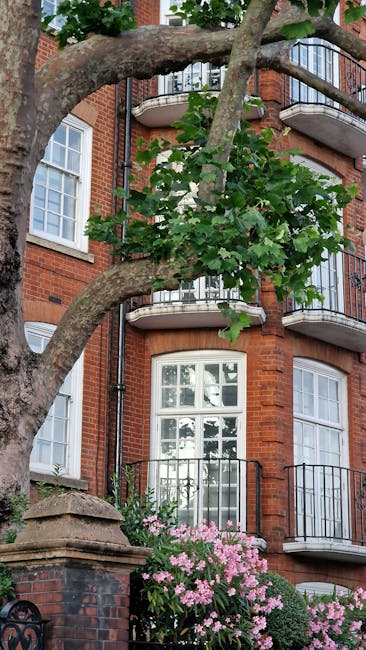
NW1 Apartment Garden Care Tips for Euston Flats: Practical Advice for Small Urban Outdoor Spaces
If you live in a flat in Euston and have even a tiny garden, terrace, or balcony planted up for the first time, you will know it is rarely as simple as "water it and hope for the best". NW1 apartment garden care tips for Euston flats need to account for limited space, wind exposure, shade from tall buildings, awkward access, and the fact that urban planting dries out faster than most people expect. The good news? With a few steady habits, you can keep a compact outdoor space looking tidy, healthy, and actually enjoyable to use.
This guide walks through the practical side of apartment garden care in NW1: what matters most, how to approach maintenance, where people usually go wrong, and when professional support may make life easier. Nothing fancy. Just useful, local, real-world advice for flat dwellers who want their outdoor space to feel cared for rather than constantly "needing a bit of work".
Why NW1 apartment garden care tips for Euston flats Matters
Apartment gardens in Euston sit in a very specific kind of environment. You are usually dealing with compact planting beds, containers, small lawns or artificial turf, balcony planters, and shared access areas where the garden has to look neat without becoming a maintenance headache. In other words, the space is small, but the problems can still pile up quickly.
That is why practical care matters. A few missed weeks can turn into dried soil, leggy growth, moss in shaded corners, blocked drainage holes, or a cluttered look that makes the space feel smaller than it is. And in a flat setting, an untidy outside area tends to affect daily life more than people expect. You see it from the kitchen window. You step into it for a coffee. You notice every patch of weeds. It all counts.
Euston and the wider NW1 area also have a busy, built-up feel that influences plant choice and maintenance routines. Tall walls and surrounding buildings can create strange light conditions, while exposed upper-level spaces can dry out fast on a breezy day. So the best approach is not "harder gardening"; it is smarter gardening.
Expert summary: Small apartment gardens do best when maintenance is light but regular. The aim is not to create a countryside border in a city flat. It is to keep the space healthy, neat, and easy to enjoy without constant rescue work.
How NW1 apartment garden care tips for Euston flats Works
The basic idea is simple: break the garden into manageable tasks and keep an eye on conditions that change quickly in an urban setting. A flat garden often has fewer plants than a full garden, but each plant matters more because there is less room for error. One neglected pot can spoil the look. One clogged drainage tray can create a soggy mess. One overgrown climber can begin to dominate the whole area. Annoying, really.
Good care usually follows a rhythm:
- Weekly visual checks for dryness, pests, overgrowth, and clutter
- Light watering based on weather and soil condition, not just habit
- Deadheading, trimming, and tidying to keep growth balanced
- Seasonal refreshes for compost, mulch, and planting layout
- Occasional deeper clean-ups for leaves, algae, and debris
In practical terms, that means you do a little often rather than a lot all at once. For a flat with containers, a balcony planter wall, or a small shared garden patch, this usually works better than trying to force a big monthly overhaul. If you need broader support across all of those tasks, a service like garden maintenance can help keep the routine consistent without turning it into a weekend project.
There is also a layout side to it. Smart apartment garden care means arranging pots and features so that watering, sweeping, and pruning are straightforward. If a plant is constantly in the way, too hard to reach, or sitting where water splashes everywhere, the setup is working against you.
Key Benefits and Practical Advantages
Keeping on top of a small Euston flat garden does more than make it look nice. The everyday benefits are surprisingly tangible.
- Better use of space: A tidy, well-planned garden feels larger and calmer, even when it is compact.
- Healthier plants: Regular care helps you spot stress early, before a pot dries out or a hedge gets woody.
- Less cleaning inside: Leaves, soil, and pollen tracked into a flat are easier to manage when the outside space is maintained.
- Safer access: Clear paths, stable pots, and cut-back growth reduce trip hazards in tight layouts.
- Lower long-term effort: Consistent upkeep is usually easier than trying to revive an overgrown space later.
There is also a mental side, and let's be honest, that matters. A neat little outdoor space can make a flat feel less boxed in. Open the door on a grey Tuesday morning and you still get that tiny lift from a clean planter, a trimmed edge, or a healthy bit of green. It does something.
For landlords and managing agents, there is another benefit: good garden presentation supports the overall appearance of the property. For tenants, it can help keep outdoor responsibility manageable and clear. For owners, it protects an investment that is easy to overlook until it starts looking tired.
Who This Is For and When It Makes Sense
These NW1 apartment garden care tips for Euston flats are useful for a few different people, and the "right" level of care depends on how the outdoor space is used.
- Tenants with balcony planters or small patios: You need simple routines that do not rely on a huge kit or lots of storage.
- Flat owners with private gardens: You may want a more polished finish and a slightly more regular schedule.
- Landlords and property managers: You will often need predictable upkeep that keeps a space presentable between tenancies.
- Busy professionals: If the garden is lovely but your time is limited, a low-maintenance plan is the only realistic plan.
- People recovering from a garden reset: After a clearance or redesign, the first few weeks are about stabilising the space and establishing a routine.
It also makes sense to think about the garden's condition before deciding how much attention it needs. If the space is already overgrown or cluttered, you may need one bigger intervention first, then an easier maintenance pattern afterwards. In those cases, garden clearance can be the quickest way to get back to a workable starting point.
If the garden has taller boundaries, screening planting, or established shrubs that have become unruly, more targeted services such as hedge trimming or even tree lopping and removal may be more appropriate than trying to tackle everything with hand pruners and good intentions. We have all been there, standing in front of one branch and wondering how it got that big.
Step-by-Step Guidance
If you want a practical routine that works in a flat setting, use this sequence. It is simple, but it works well in real life.
1. Start with a quick condition check
Walk the space slowly and look for dry compost, compacted soil, dead leaves, damaged stems, algae on paving, loose pots, and signs of pests. Do this in daylight if you can. Morning light is especially useful because it shows damp spots and tired foliage more clearly.
2. Clear the obvious clutter first
Remove broken pots, fallen leaves, spent flowers, and anything blocking access. In a small garden, visual clutter matters more than in a larger one. Clearing it early gives you a better sense of what the space actually needs.
3. Water with the weather in mind
Do not water on autopilot. Check the soil first with your finger or a small trowel. If the top layer is dry but the lower soil still feels moist, wait. Container plants often need more water than planted beds, but they can also suffer from overwatering if drainage is poor. That balance is the tricky bit, to be fair.
4. Prune lightly and often
Trim back dead tips, spent flowers, and wayward stems before they become a bigger job. Light pruning keeps plants compact and prevents one pot from becoming a tangled little jungle. If you need a more structured trim for shrubs or boundary plants, a proper service such as landscape gardening can be useful when the layout itself needs improvement, not just maintenance.
5. Feed and refresh the soil
Apartment gardens often rely on containers, so the soil can become tired faster than in-ground planting. Refresh compost where needed and feed according to plant type. You do not need to overcomplicate this. A steady, modest approach is usually better than piling on products.
6. Check drainage and surface condition
Water pooling under pots, blocked tray holes, or slippery paving are all warning signs. In a flat garden, poor drainage creates a domino effect: soggy compost, root stress, algae, then more cleaning. A quick check every so often saves a lot of faff later.
7. Reassess the layout
Ask yourself a simple question: is the space easy to care for, or is it forcing unnecessary effort? If you have to move five pots every time you sweep, the layout might need changing. Sometimes a small redesign makes ongoing care dramatically easier.
Expert Tips for Better Results
Small urban gardens reward consistency and a bit of restraint. That is the honest version.
Use larger pots where possible. Bigger containers hold moisture more steadily than tiny ones, which means fewer watering dramas during warm spells. They also look more settled in a compact space.
Group plants by need. Put thirsty plants together and drought-tolerant plants together. It makes watering easier and reduces the chance of one pot being overfed while another is left dry.
Choose plants that suit the actual light. Many Euston flats are not sun traps. Some spaces get bright morning light, some are shaded by neighbouring buildings, and some swing between both. Match plants to the conditions rather than trying to force favourites into the wrong spot.
Keep a pruning rhythm. A five-minute tidy every week is often more effective than a bigger trim every few months. It feels less glamorous, obviously, but it works.
Think about edge control. In small gardens, clean edges around beds, paving, decking, and planters make the space look cared for immediately. If your outdoor area includes a raised platform or seating zone, relevant improvements such as decking services can also make upkeep simpler by defining surfaces more clearly.
Plan around storage. Flat living means your tools may be tucked away in a cupboard or utility space. Choose tools that are compact and easy to clean. If a tool is awkward to store, you will probably use it less often. Human nature, that.
Leave room for air movement. Crowded plant groupings look lush at first, then become awkward to maintain. Good spacing helps foliage dry out properly after rain and reduces mildew risk.
Common Mistakes to Avoid
The same errors come up again and again in apartment garden care. Most are easy to fix once you spot them.
- Overwatering by routine rather than need: This is probably the biggest one. Flat gardens often need checking, not fixed schedules.
- Using too many small pots: They dry out quickly and are fiddly to manage.
- Ignoring shaded corners: Moss, damp, and weak growth often start there.
- Letting one shrub dominate: Small spaces can get swallowed by a single overgrown plant.
- Choosing high-maintenance plants for a low-time lifestyle: Attractive, yes. Practical, not always.
- Forgetting surfaces and drainage: A clean plant display still looks untidy if paving is slippery or leaf-strewn.
- Trying to do everything at once: In small spaces, steady maintenance beats occasional heroics.
A subtle but important mistake is treating a flat garden like a standard house garden. The layout, access, and storage limitations are different. A compact routine fits the setting better than a big, traditional approach. Once you accept that, things get easier.
Tools, Resources and Recommendations
You do not need a shed full of equipment to look after a small Euston flat garden. In fact, too much gear usually gets in the way.
| Task | Useful tool or approach | Why it helps in a flat |
|---|---|---|
| Watering | Small watering can or lightweight hose alternative | Easy to carry, easy to store, less wasteful |
| Pruning | Hand secateurs and small snips | Good for light trims without overcutting |
| Cleaning | Hand brush, dustpan, and bucket | Helps keep patios and decking tidy without bulky tools |
| Soil care | Fresh compost and slow-release feed | Supports container plants and keeps maintenance simple |
| Layout control | Pot risers, trays, and stands | Improves drainage and makes rearranging easier |
If you are dealing with a slightly bigger or more complex outdoor area, professional support can save a surprising amount of time. For ongoing upkeep, garden maintenance is the most straightforward route. If the issue is more about presentation, health, or structure, then the broader services overview can help you decide what level of work actually fits the space.
For properties where sustainability matters, it is also worth considering how garden waste is handled. The team's approach to recycling and sustainability may be relevant if your maintenance produces regular green waste, old compost, or prunings that need sensible disposal.
Law, Compliance, Standards, and Best Practice
For most apartment garden care, the legal side is fairly straightforward, but it is still worth being careful. If you live in a managed block, leasehold property, or shared development, check the terms that apply to your outdoor space. Some balconies and communal gardens have specific rules about planters, weight limits, watering, and changes to fixed features.
Where gardening work involves ladders, power tools, or heavier lifting, basic safety practice matters. Stable footing, sensible handling of tools, and not overreaching from balconies or awkward edges are all common-sense precautions. In the UK, reputable contractors also tend to work with clear health and safety procedures and appropriate insurance. If you are comparing professional help, you may want to review pages such as health and safety policy and insurance and safety to understand how a provider approaches risk management.
For consumers, service expectations also matter. Clear pricing, honest scope, and written terms help avoid confusion about what is included. If you are booking work, it is sensible to look at pricing and quotes and terms and conditions so you know what you are agreeing to before any work begins.
And if you have questions about how a company handles information or complaints, those pages can be useful too. Not glamorous, granted, but very practical when you want a smooth experience.
Options, Methods, and Comparison Table
Not every flat garden needs the same kind of care. The right method depends on your time, the size of the space, and how polished you want the result to be.
| Approach | Best for | Pros | Trade-offs |
|---|---|---|---|
| DIY light upkeep | Small balconies, simple planter setups, low plant count | Low cost, flexible, quick to do | Easy to neglect if you are busy |
| DIY plus seasonal reset | Spaces that need occasional bigger tidy-ups | Keeps costs manageable while improving the look | Requires more effort at set times |
| Regular professional maintenance | Busy owners, landlords, or more complex layouts | Consistent, tidy, less stress | Higher ongoing cost |
| One-off clearance and redesign | Overgrown or awkward spaces | Fast reset, better starting point | Needs follow-up care to stay neat |
If you are trying to decide, ask yourself one simple thing: do you need help because the garden is hard work, or because it has simply outgrown your available time? That answer usually points you in the right direction. Truth be told, a lot of people need a bit of both.
Case Study or Real-World Example
Picture a small NW1 flat with a narrow patio, three large pots, two smaller herbs planters, and a strip of hedge at the boundary. At the start of spring, it looks promising but slightly tired: one pot has compacted soil, one rosemary plant is leaning into the walkway, and the paving has a thin film of algae from the damp winter.
The owner does not want a full redesign. They just want the space to feel good to step into again.
The fix is straightforward:
- Remove dead leaves and spent growth
- Cut back the rosemary and re-space the pots
- Top up compost in the tired containers
- Scrub the paving and improve drainage under the pots
- Add one or two tougher plants suited to the available light
Within a couple of hours, the space feels calmer and easier to use. Not perfect. Not magazine-perfect, because real life rarely is. But it becomes a place the owner wants to sit with a cup of tea rather than a place they keep meaning to "sort out next weekend". That shift matters more than people think.
In many cases, the improvement is less about dramatic change and more about removing friction. If the garden is easier to walk through, easier to water, and easier to sweep, it suddenly starts to look better too. Funny how that works.
Practical Checklist
Use this quick checklist to keep your apartment garden under control without overthinking it.
- Check soil moisture before watering
- Remove dead leaves and obvious debris
- Trim back overgrowth a little, not too much
- Make sure pots drain properly
- Look for pests or disease on leaves and stems
- Clean paths, decking, or patio surfaces
- Refresh tired compost where needed
- Reposition pots so access stays easy
- Match plants to the available light
- Schedule a seasonal tidy-up before the space gets messy
Quick reminder: in a small garden, one neglected corner can change the look of the whole space. A five-minute fix now is usually far easier than a two-hour rescue later.
Conclusion
Good NW1 apartment garden care tips for Euston flats are really about making small spaces easy to live with. Keep the routine light, practical, and suited to the actual conditions. Water thoughtfully, prune regularly, clear clutter early, and do not ask a compact outdoor space to behave like a full-sized garden. That is where most frustration starts.
If you remember nothing else, remember this: consistency beats intensity. A little care, done regularly, will always do more for a flat garden than the occasional burst of enthusiasm followed by six weeks of neglect. And once the space feels manageable, it becomes enjoyable again. Simple as that.
If you are ready to restore a tired outdoor area, keep maintenance under control, or get support with a more involved reset, it is worth taking the next step now rather than leaving it for another damp Sunday afternoon.
Get a free quote today and see how much you can save.
Frequently Asked Questions
How often should I water an apartment garden in Euston?
There is no single rule that fits every flat garden. Container plants usually need checking more often than planted beds, especially in warmer or windier conditions. The safest habit is to test the soil first and water based on dryness, not just the day of the week.
What plants work best for NW1 flats with limited light?
Plants that tolerate partial shade or changing light usually perform better than sun-hungry varieties. The key is to match the plant to the actual conditions rather than hoping it will adapt. If a space is heavily shaded for much of the day, choose accordingly.
Can I keep a small lawn in a flat garden?
Yes, but it depends on the space, sunlight, and access. Small lawns in urban settings need more care than many people expect. If the area gets patchy or feels impractical, a low-maintenance planting scheme may be a better fit.
How do I stop my balcony or patio garden from looking cluttered?
Start by reducing the number of small, awkward items. Then group pots sensibly, keep edges clean, and make sure surfaces are easy to sweep. In small spaces, less visual noise usually means a calmer overall look.
When should I call in a professional for garden maintenance?
If you are struggling to keep up, the layout is awkward, or the plants are getting beyond a simple tidy, professional help can save time and prevent damage. It is especially sensible after a clearance or when a space needs a proper reset.
Do apartment gardens in Euston need different care from house gardens?
Yes, mainly because the space is more constrained and the conditions can be harsher. Wind, shade, drainage, and storage are all more noticeable in a flat setting. Small spaces also show clutter and neglect faster.
How can I make maintenance easier in a tiny outdoor space?
Choose fewer, larger pots, use plants with similar needs, and keep access clear. A layout that is easy to water and sweep will save more time than any fancy product ever will. That is the honest answer.
What should I do with overgrown shrubs or hedges near a flat?
Light trimming can help, but if growth has become dense or difficult to manage, a more careful approach may be needed. In some cases, proper hedge trimming is the best way to restore shape and keep the garden usable.
Is garden clearance useful for small apartment gardens?
Absolutely. If the space has become cluttered, overgrown, or hard to access, clearance can create a clean starting point. After that, routine upkeep is much easier to maintain.
Are there any rules I should check before changing my flat garden?
Yes. Lease terms, building rules, and any shared-space arrangements may affect what you can add or alter. It is wise to check before making bigger changes, especially where fixed structures, planters, or weight load might be involved.
How do I keep costs under control?
Keep the routine simple, avoid unnecessary plant turnover, and use maintenance methods that fit your schedule. If you are hiring help, comparing the scope of work carefully can prevent surprises. A clear quote and clear terms go a long way.
What is the most common mistake people make with Euston flat gardens?
The most common mistake is trying to do too much too quickly and then not maintaining the result. Small urban gardens usually respond better to steady care, modest planting choices, and a layout that makes everyday upkeep painless.